.png)
-p-130x130q80.png)
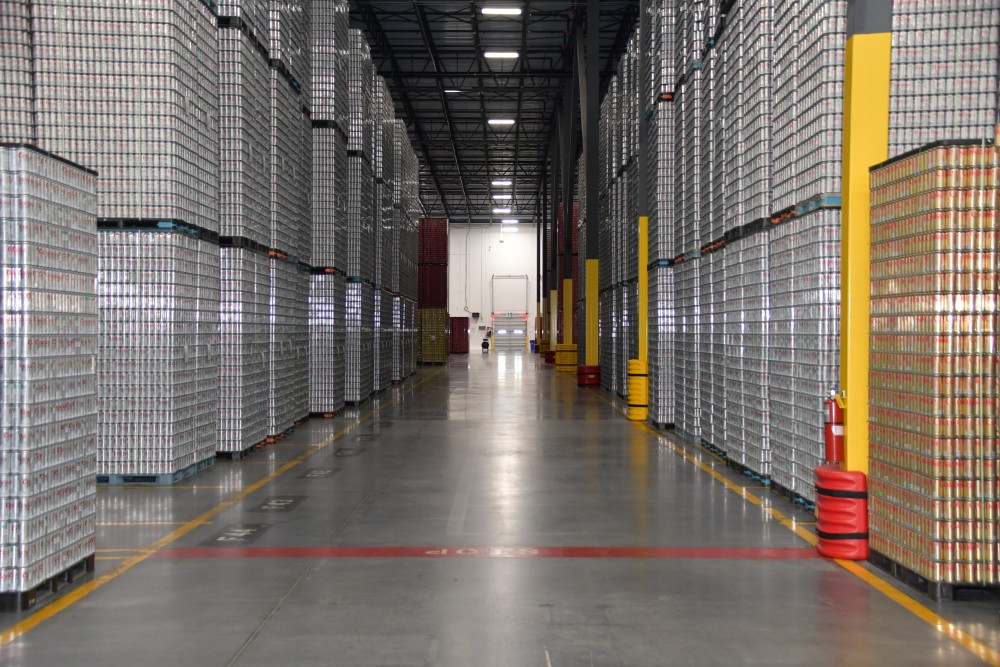
Looking for dedicated warehousing services to scale your business? Our custom warehouse solutions offer exclusive space, staff, and technology tailored to your needs.
Dedicated warehousing gives a business its own guaranteed space inside a warehouse, complete with exclusive labor, systems, and processes. Unlike public warehousing, where clients may be asked to vacate or share capacity with others, a dedicated model ensures long-term stability and control. It’s a solution designed for companies with high-volume, predictable inventory or specialized requirements that can’t afford not to have guaranteed warehouse space.
Backed by more than a century of operational excellence and trusted by leading global brands, Buske Logistics delivers dedicated warehousing solutions that combine secure, exclusive-use space with the scalability enterprises need to grow.
In this guide, we’ll explain what dedicated warehousing is, when it makes sense to choose it over shared or public models, and why it pays off for businesses planning long-term logistics strategies.
Dedicated warehousing is a logistics model where a business secures exclusive use of warehouse space, staff, and systems. Unlike shared or public facilities, every square foot, forklift, and workflow in a dedicated warehouse is reserved for one company. This ensures a high degree of control, stability, and consistency, particularly valuable for organizations managing high volumes or specialized product requirements.
Dedicated warehousing is a specific form of contract warehousing. Under this model, a long-term agreement guarantees that one business has exclusive use of a warehouse or a defined portion of it, including the personnel and resources assigned to the operation.
For a broader look at contract warehousing models, including shared and hybrid options, see our guide to contract warehousing.
Other types of contract warehousing include:
Dedicated warehousing isn’t the right fit for every business, but for companies with consistent, high-volume needs, it often becomes the most cost-effective and reliable choice. Situations where a dedicated 3PL warehouse pays off include:
By choosing dedicated warehousing, businesses position themselves for operational consistency, reduced risk, and the flexibility to build supply chains around long-term strategy rather than short-term availability.
Choosing a dedicated 3PL warehouse offers advantages that go beyond simply securing space. Key benefits include:
These benefits make dedicated warehousing an attractive option for companies that value long-term stability, scalability, and supply chain precision. By choosing our dedicated 3PL warehouse solutions, companies gain predictable inventory management and streamlined logistics.
A dedicated warehousing contract is usually set up through a structured planning process between a business and a 3PL provider. The goal is to ensure the warehouse is configured around the client’s exact needs, rather than shared with other companies. The process often includes:
This approach gives companies confidence that their logistics space is secure, customized, and insulated from the fluctuations common in public or shared models. For businesses needing stability and scalability, a dedicated warehousing contract offers a clear, predictable foundation to build long-term supply chain strategies.
Looking for a long-term warehousing solution with scalability and control? Explore Buske’s dedicated warehousing services designed to support complex logistics needs.
Dedicated warehousing is a logistics model where a business secures exclusive-use warehouse space, labor, and operational systems for its supply chain activities. This means the facility and its staff are fully allocated to a single company rather than being shared with other clients. Providers like Buske Logistics offer dedicated warehousing solutions to give businesses greater control, consistency, and operational focus. It is commonly used by companies with stable, high-volume inventory needs or strict compliance requirements.
To hire a dedicated warehouse, businesses typically start by assessing their storage volume, fulfillment needs, and distribution requirements. They then partner with a 3PL provider such as Buske Logistics, which offers exclusive-use facilities, trained labor, and customized workflows. The provider will design a solution based on your operational needs, including staffing levels, technology integration, and shipping requirements. A consultation is usually the first step to determine the right setup and pricing.
Dedicated warehousing provides exclusive space and staff for one company, while shared warehousing involves multiple clients using the same facility, labor pool, and systems. Dedicated setups offer more control, consistency, and customization, whereas shared warehousing is typically more flexible and cost-efficient. Companies like Buske Logistics offer both models depending on client needs and volume levels. The choice depends on whether a business prioritizes control and stability or flexibility and cost savings.
A business should choose dedicated warehousing when it has high order volumes, complex operational requirements, or sensitive inventory that requires strict handling. It is also ideal for companies with long-term growth plans that need consistent performance and full operational control. Providers such as Buske Logistics help determine when dedicated warehousing is the right fit based on demand patterns and scalability needs. This model is especially valuable for established brands scaling nationally or managing compliance-heavy industries.
The cost of dedicated warehousing depends on factors such as warehouse size, labor requirements, technology systems, and value-added services like kitting or labeling. Pricing structures vary depending on whether the operation is fully customized or partially shared. Companies like Buske Logistics typically provide tailored quotes based on specific business requirements. Businesses should request a detailed assessment to understand total cost based on their volume and operational complexity.
Several 3PL providers offer dedicated warehousing solutions, including Buske Logistics, which provides customized warehouse space, staffing, and fulfillment services across multiple U.S. regions. These providers design solutions based on industry needs, from retail and eCommerce to industrial and manufacturing sectors. Choosing the right partner depends on location coverage, scalability, and service capabilities. A consultation helps determine the best fit for your supply chain requirements.
Dedicated warehousing provides businesses with secure, exclusive-use space that removes the uncertainty of public or shared models. For companies with high-volume operations, sensitive inventory, or long-term growth plans, it offers consistency, customization, and control that directly support supply chain success. By entering into a long-term warehousing contract, organizations can align logistics with strategic goals rather than short-term availability.
Buske Logistics has the expertise and network to deliver dedicated warehousing solutions that scale with enterprise needs. Connect with our team and reserve your dedicated warehouse space for your business now.


