.png)
-p-130x130q80.png)
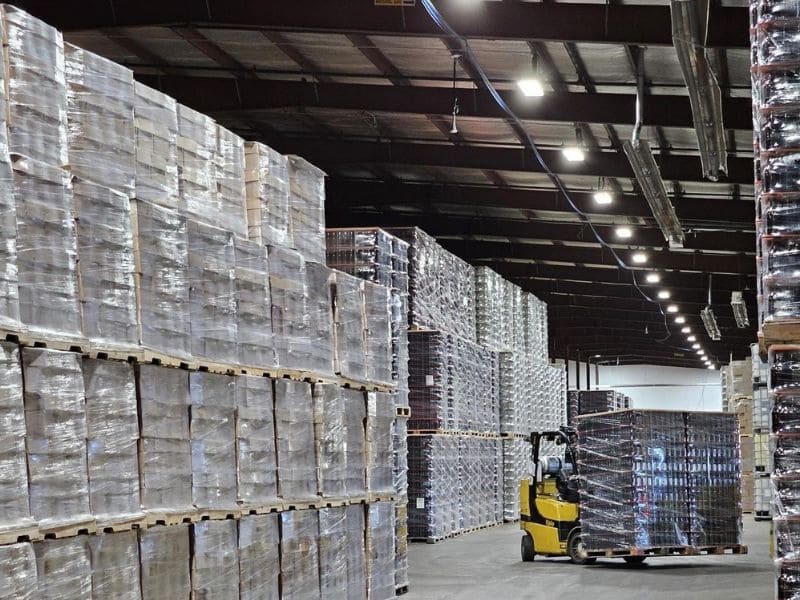
Premium pet food brands are growing fast. But dehydrated and freeze-dried formulas come with strict storage, safety, and traceability requirements. If you are scaling into retail, expanding subscriptions, or preparing for audits, you need more than basic warehousing.
You need a dehydrated cat food 3PL and freeze-dried cat food 3PL partner that understands food safety, environmental controls, and omnichannel distribution.
Buske Logistics provides custom 3PL solutions for dehydrated and freeze-dried cat food brands that require strict food safety compliance, lot traceability, and scalable distribution. Our food-grade warehousing and operational controls are designed to support premium pet food manufacturers selling through retail, marketplace, and direct-to-consumer channels.
A dehydrated and freeze-dried cat food 3PL provides food-grade warehousing, inventory management, lot tracking, and distribution for shelf-stable but regulated pet food products. These providers ensure compliance with FDA pet food warehouse requirements while maintaining product integrity and traceability.
Unlike general consumer goods fulfillment providers, a specialized pet food 3PL is built around:
Even though dehydrated and freeze-dried products are shelf-stable, they are still regulated food products. Under the U.S. Food and Drug Administration, pet food facilities must follow preventive controls under the Food Safety Modernization Act (FSMA). You can review federal pet food regulatory guidance directly from the FDA here.
A standard 3PL may store dry goods. A specialized freeze-dried cat food 3PL is structured to handle regulated, premium pet food SKUs at scale.
If you are evaluating providers, start by reviewing our Complete Cat Food & Supplies 3PL Solutions to understand how dehydrated and freeze-dried products fit into a broader pet logistics strategy.
Dehydrated cat food logistics require food-grade warehousing, moisture control, and precise lot tracking to protect product quality and maintain regulatory compliance.
Although dehydrated cat food is shelf-stable, it is highly sensitive to environmental conditions. Here’s what makes it different:
Even small increases in humidity can compromise product texture, shelf life, and safety. A dehydrated cat food 3PL must maintain controlled humidity levels and monitor warehouse climate conditions daily.
Premium dehydrated products often use:
Improper pallet stacking or poor handling can damage packaging and compromise shelf life.
Because these products are food-grade, they require:
Facilities aligned with FDA pet food warehouse requirements maintain written preventive control programs and inspection logs.
Premium brands often operate on:
Your shelf-stable pet food logistics partner must support system-driven rotation inside the WMS to prevent expiration risks.
Dehydrated cat food is often positioned as a premium product. That means:
Inventory accuracy must remain above 99% to prevent stockouts and backorders.
Freeze-dried cat food distribution must meet FDA-aligned warehousing standards, including sanitation protocols, documented controls, and full lot-level traceability.
While freeze-dried food is shelf-stable, it remains a regulated food product under FDA oversight. A compliant freeze-dried cat food 3PL must support:
Facilities must maintain food-grade zoning and documentation practices that align with federal regulations. The FDA outlines preventive control requirements here.
This includes:
Your 3PL must be fully audit-ready at all times to consistently meet strict retail, compliance, and regulatory standards required by major retailers and big-box stores. Retailers and big-box stores often require:
This is where pet food lot tracking becomes absolutely critical, as your provider must be able to respond immediately and execute a controlled, compliant recall process without disrupting broader operations. If a recall occurs, your provider must:
A temperature-controlled 3PL environment does not always mean refrigerated storage. For dehydrated and freeze-dried products, stability is more important than cold storage.
Most freeze-dried products are shelf-stable but sensitive to:
Environmental best practices include:
Strategic multi-region placement reduces risk of product degradation during summer heat spikes.
If you are evaluating partners, review our Food-Grade Warehousing solutions.
Premium pet food brands depend on lot-level traceability within their 3PL’s warehouse management system to ensure recall readiness and regulatory compliance.
Pet food lot tracking is not optional. Your WMS must track:
At Buske, barcode scanning is embedded into receiving, picking, and shipping processes to maintain full visibility.
If a recall occurs, you should be able to:
For compliance standards, many brands also reference guidelines from the Association of American Feed Control Officials (AAFCO), which supports uniform feed safety standards across states.
You can learn more about our Compliance & Quality Assurance programs.
A custom 3PL enables dehydrated and freeze-dried cat food brands to scale across retail and DTC channels without compromising compliance or inventory control.
Today’s premium cat food brands rarely sell through just one channel. You may be managing:
Managing these channels separately creates inventory fragmentation and compliance risk.
An integrated, temperature-controlled 3PL network supports:
Explore how our Omnichannel Fulfillment services support pet brands.
You can also review our broader pet logistics strategy in our Pet Care 3PL guide.
Many brands start with in-house fulfillment or a general 3PL. But growth introduces risk. Common triggers for switching to a specialized dehydrated cat food 3PL include:
As your distribution grows, so does regulatory exposure. Your 3PL must scale with you.
The right dehydrated or freeze-dried cat food 3PL offers customized, food-safe logistics infrastructure designed to protect product integrity and support enterprise growth.
Yes. Dehydrated and freeze-dried cat food products require a specialized pet food 3PL that understands food-grade warehousing, regulatory compliance, inventory rotation, and product traceability. While these products are shelf-stable, they still require controlled storage conditions, proper handling procedures, lot tracking, and recall readiness. A specialized pet food fulfillment provider helps protect product quality, maintain compliance with FDA regulations, and ensure safe distribution to retailers, distributors, and direct-to-consumer customers.
Freeze-dried cat food is generally shelf-stable and does not require refrigeration, but it can be sensitive to humidity, excessive heat, and significant temperature fluctuations. Proper environmental controls help preserve nutritional value, texture, flavor, and shelf life throughout storage and distribution. A pet food 3PL with climate-controlled warehousing and inventory monitoring systems can help maintain product integrity and reduce the risk of quality issues during fulfillment and transportation.
Premium cat food lot tracking is typically managed through a warehouse management system (WMS) that records lot numbers, batch information, expiration dates, and product movement at the pallet, case, or unit level. This level of traceability allows businesses to quickly identify affected inventory during a recall, improve inventory accuracy, maintain regulatory compliance, and provide greater transparency throughout the pet food supply chain.
Yes. An experienced pet food 3PL can support retail distribution, marketplace fulfillment, wholesale orders, and direct-to-consumer subscription programs from a single inventory pool. Consolidating fulfillment operations with one logistics provider helps reduce inventory fragmentation, improve stock visibility, streamline order management, and create a more efficient supply chain while supporting growth across multiple sales channels.
FDA warehouse requirements for pet food focus on maintaining product safety, traceability, and quality throughout storage and distribution. Key requirements typically include documented sanitation procedures, pest control programs, preventive controls, lot traceability, inventory management processes, employee training, and recall preparedness. Pet food warehouses that follow FDA-aligned practices help brands maintain compliance, reduce risk, and ensure products are stored and handled safely.
Shelf-stable pet food logistics refers to the storage, inventory management, fulfillment, and distribution of pet food products that do not require refrigeration or freezing. Although these products have a longer shelf life, they still require proper environmental controls, inventory rotation, lot tracking, and regulatory compliance to maintain quality and safety. Effective shelf-stable pet food logistics helps brands reduce waste, improve fulfillment accuracy, and ensure products reach customers in optimal condition.
Pet food lot tracking is critical because it enables manufacturers, distributors, and retailers to trace products throughout the supply chain from production to final delivery. Accurate lot tracking supports rapid recall execution, improves inventory visibility, strengthens food safety programs, and helps businesses comply with regulatory requirements. In the event of a quality issue or recall, lot traceability allows affected products to be identified and isolated quickly, helping protect consumers, pets, and brand reputation.
Dehydrated and freeze-dried cat food products demand more than general warehousing. They require structured compliance, environmental stability, and traceability built into every workflow.
If you are expanding retail distribution, scaling DTC subscriptions, or preparing for audits, it is time to align with a specialized partner.
Protect your dehydrated or freeze-dried cat food products with a custom-built, food-grade 3PL solution.
Talk to a Pet Logistics Specialist at Buske Logistics about compliant, scalable distribution designed for premium pet food brands.


