.png)
-p-130x130q80.png)
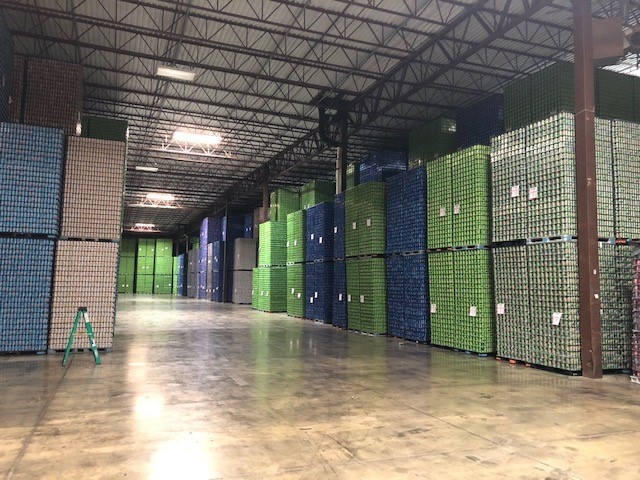
At Buske Logistics, we work with many Fortune 500 and emerging brands across the food and beverage industry, including companies such as PepsiCo, Diageo, Anheuser-Busch, Pernod Ricard, Golden State Foods, and Promise Confections. Many of the opportunities that come to us have stemmed from their existing logistics provider failing to meet food industry service standards (e.g., OTIF, traceability, WMS incapable of using FEFO, etc.), forcing a takeover of their operations.
In this guide, we will detail what makes a good food logistics company and what to look out for. For a broader foundation on the food logistics landscape, see Buske’s full guide.
Food logistics is defined by strict compliance, service, and regulation due to the inherent risk of hurting a consumer from contamination and the short shelf life of food. Unlike standard warehousing, food-grade operations typically require a third-party audit to certify they can handle food. Those certifications include: FDA, AIB, ASI, ISO, and BRCGS.
Every movement from receiving to putaway, from storage to order picking, must be traceable, auditable, and consistent in case there’s a recall for the food product.
Many food companies run into problems not because they chose a bad provider, but because they chose a provider that wasn’t designed for food-grade logistics. The most common issues are:
These are only 4 ways a company can go wrong when selecting the wrong food logistics partner, but there are many.
When evaluating a food logistics company, specifically one that provides warehousing, these are the factors to think about:
A credible food logistics company must operate within a compliance framework that aligns with FDA expectations, not just internal standards. This means their processes should clearly reflect the requirements outlined under the Food Safety Modernization Act (FSMA) - the FDA’s governing framework for preventive food-safety controls in the U.S.
One of the strongest indicators of operational maturity is how confidently a provider can walk you through its audit history, quality controls, and speak to any social proof of successful partnerships.
Traceability and Recall Capability
Traceability is the backbone of every food supply chain. The right provider should be able to trace every product lot from receiving to outbound, along with every status change along the way.
A food-grade logistics provider should have the ability to run a mock recall with confidence and speed. Delays in producing documentation during a recall event can escalate into brand damage, regulatory fines, or retailer penalties.
The technology behind food logistics is what ensures control. A suitable WMS should automate FIFO/FEFO logic, flag at-risk inventory, inventory in incubation, notify teams of expiring and expired inventory, and provide real-time insight into inventory status.
A WMS that cannot manage shelf life or traceability places the burden back on your internal team, defeating the point of using a 3PL in the first place.
When evaluating providers, ask to see a live demonstration of the system. How quickly can they pull up affected inventory? Can they differentiate by lot? Can they produce movement history without delay? Technology gaps here become operational gaps later.
Food brands rarely operate on stable volume. Promotions, seasonal cycles, and retailer requirements create spikes that strain operational capacity. The right logistics partner should be able to scale without sacrificing consistency.
Scalability is not just having space, it’s having the labor model, process discipline, and workflow design to handle increases without compromising accuracy or compliance. When evaluating providers, look for how they plan capacity, how they manage seasonality, and whether their network is structured to support growth without disruption.
Handling beverages, ingredients, CPG, or natural products each requires different operational considerations. A seasoned food logistics company understands these nuances and has built processes accordingly.
Also, they should have a track record of success. As an example, we at Buske Logistics are proud to say we have worked with food companies such as General Mills, PepsiCo, and others. It’s an easy conversation when prospects inquire about our services.
The best food logistics companies operate with documented performance standards. They can provide accuracy reports, receiving metrics, order-fulfillment quality, and clear accountability when deviations occur.
What you’re evaluating is not perfection, it’s transparency. A partner that measures rigorously is a partner that improves rigorously.
Even without temperature considerations, location matters. A provider with strategically positioned facilities can shorten transit time, reduce handling steps, lower cost per unit, and help you maintain consistent retail service levels.
A well-located network is a competitive advantage and not just a convenience.
Before you begin shortlisting providers, it can be helpful to review established industry leaders. Our guide to the top food logistics companies in North America offers valuable benchmarks to compare against.
Food, beverage, and CPG brands choose Buske because our operations are built for the realities of food logistics, not retrofitted to accommodate them. With over 100 years of supply chain and warehousing experience, Buske Logistics has supported leading brands including PepsiCo, Diageo, Anheuser-Busch, Pernod Ricard, Golden State Foods, and Promise Confections, giving our team deep operational expertise across complex food and beverage supply chains.
Our systems emphasize compliance discipline, traceability depth, documented processes, and clear performance visibility. Brands value Buske for:
Explore our food logistics capabilities here to learn more.
Once you narrow your options, the decision comes down to evidence. Review each provider’s documentation, ask to walk through their processes, evaluate their WMS in real time, analyze their KPIs, and assess scalability plans.
You’re looking for the partner that demonstrates control, communicates confidently, and shows you how their operation supports food-grade standards. Price matters, but capability protects your brand.
When choosing a food logistics company, look for providers with FDA-aligned operations, FSMA compliance, HACCP programs, GMP standards, and complete product traceability throughout the supply chain. A reliable food-grade logistics partner should offer strong inventory management, documented safety procedures, clean audit records, real-time reporting, and scalable warehousing and transportation solutions that support food safety, regulatory compliance, and efficient distribution.
To choose the right food-grade 3PL, evaluate the provider’s food safety processes, regulatory compliance systems, warehouse technology, and experience handling food and beverage products. The best food logistics providers can clearly explain their FDA- and FSMA-aligned procedures, demonstrate lot tracking and inventory visibility through advanced warehouse management systems, and provide scalable logistics solutions designed for food-grade storage and distribution.
A food logistics provider should maintain FDA-aligned food safety procedures along with documented HACCP programs, GMP compliance, and FSMA-based preventive controls. Strong food-grade warehousing partners should also provide transparent audit records, traceability documentation, sanitation procedures, and quality assurance systems that support regulatory compliance and safe food handling operations.
The best food logistics companies stand out through strong operational discipline, advanced inventory traceability, strict food safety standards, accurate reporting, and reliable compliance management. Leading providers focus on process consistency, audit readiness, warehouse technology, and supply chain visibility while delivering scalable food warehousing, transportation, and fulfillment solutions that help businesses reduce risk and maintain product integrity.
To ensure a logistics provider is FSMA compliant, ask for documentation related to FDA-aligned food safety plans, preventive controls, HACCP procedures, audit reports, recall management processes, and sanitation standards. A qualified food logistics provider should confidently explain its compliance procedures, demonstrate accurate inventory traceability, and provide immediate access to food safety and regulatory documentation when requested.
The logistics partner you choose will influence product quality, regulatory performance, and customer trust. Food-grade operations demand rigor, visibility, and experience. The right 3PL will make those qualities obvious from the first conversation. Use this framework to identify a partner who can support your growth without compromising standards.
Speak with a food logistics specialist at Buske to learn more.


